Deep-sky imaging
Wide-field deep-sky rig
A fast, wide field for nebulae and larger structures.
- William Optics Pleiades 68
- Sky-Watcher EQ6-R Pro
- ZWO ASI2600MC Pro
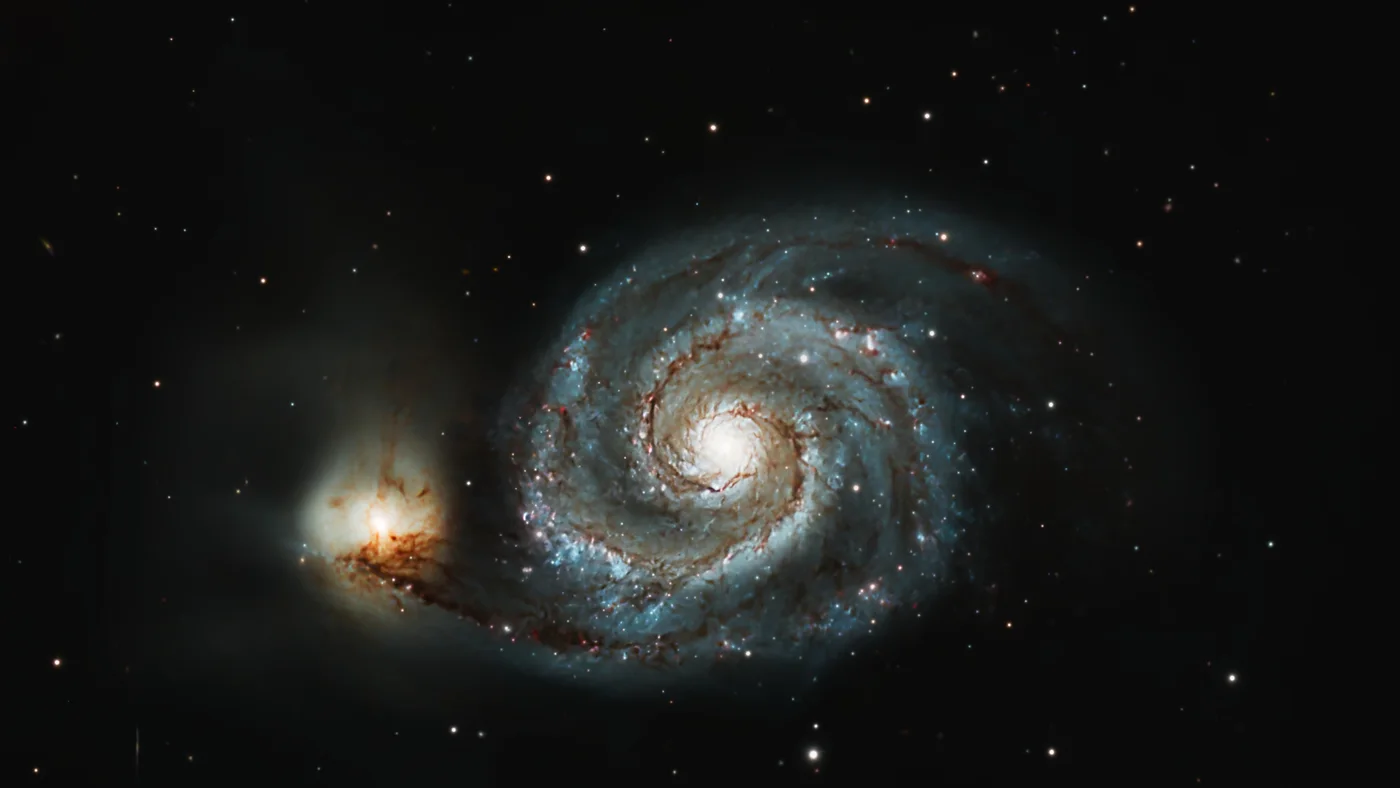
YaNoAstro · Belgium
Deep-sky projects, the instruments behind them and the process that turns faint photons into a visible story.
01
Observation as a craft
Every photograph is a project: planning around weather and moonlight, collecting hours of signal, calibrating imperfect data and making careful choices in processing.
The archive is opening
The new YaNoAstro platform is live. Carefully selected captures and their complete acquisition stories will appear here as they are prepared.
See current work on AstroBin ↗The real setup
Deep-sky imaging
A fast, wide field for nebulae and larger structures.
Deep-sky imaging
More reach for compact galaxies and detailed targets.
Sky monitoring
One dedicated camera watching the complete sky.
The instruments
Optics, cameras, filters and the observatory as one evolving imaging system.
→02Behind the image
From planning and acquisition through calibration, integration and colour.
→03The observer
Meet Dirk Smeets, also known as d1rksm33ts, amateur astrophotographer in Belgium.
→